Cloud & AI Security Research
Runtime security, CNAPP engineering, Kubernetes defense, AI workload protection and cloud threat intelligence.

Secure by Design Is No Longer Enough: Security in the Runtime Era of Cloud and AI
As organizations accelerate cloud adoption, AI deployment, and digital transformation, traditional secure-by-design principles are no longer sufficient on their own. Modern environments change continuously, creating new attack paths, identities, and workloads every second. The future of cybersecurity belongs to organizations that combine secure architecture with continuous runtime visibility and validation.
Latest Research

Digital Resilience in the Age of Cloud and AI: The Challenge India Must Solve Next
As India accelerates cloud adoption, AI deployment, and digital transformation across government, banking, energy, and critical infrastructure, a new challenge is emerging. The question is no longer whether organizations can modernize, but whether they can remain resilient while doing so. Industry leaders, policymakers, academia, and security experts increasingly view resilience—not technology—as the defining cybersecurity challenge of the decade.

The Evidence Gap: Why India’s Next Compliance Challenge Won’t Be Solved by Another Audit
Indian enterprises are investing heavily in compliance, yet many still struggle to prove what actually happened during a security incident. As cloud-native architectures, AI workloads, and regulatory expectations evolve, compliance is shifting from documentation to evidence. Runtime visibility, workload intelligence, and continuous validation are emerging as critical pillars of modern compliance programs.
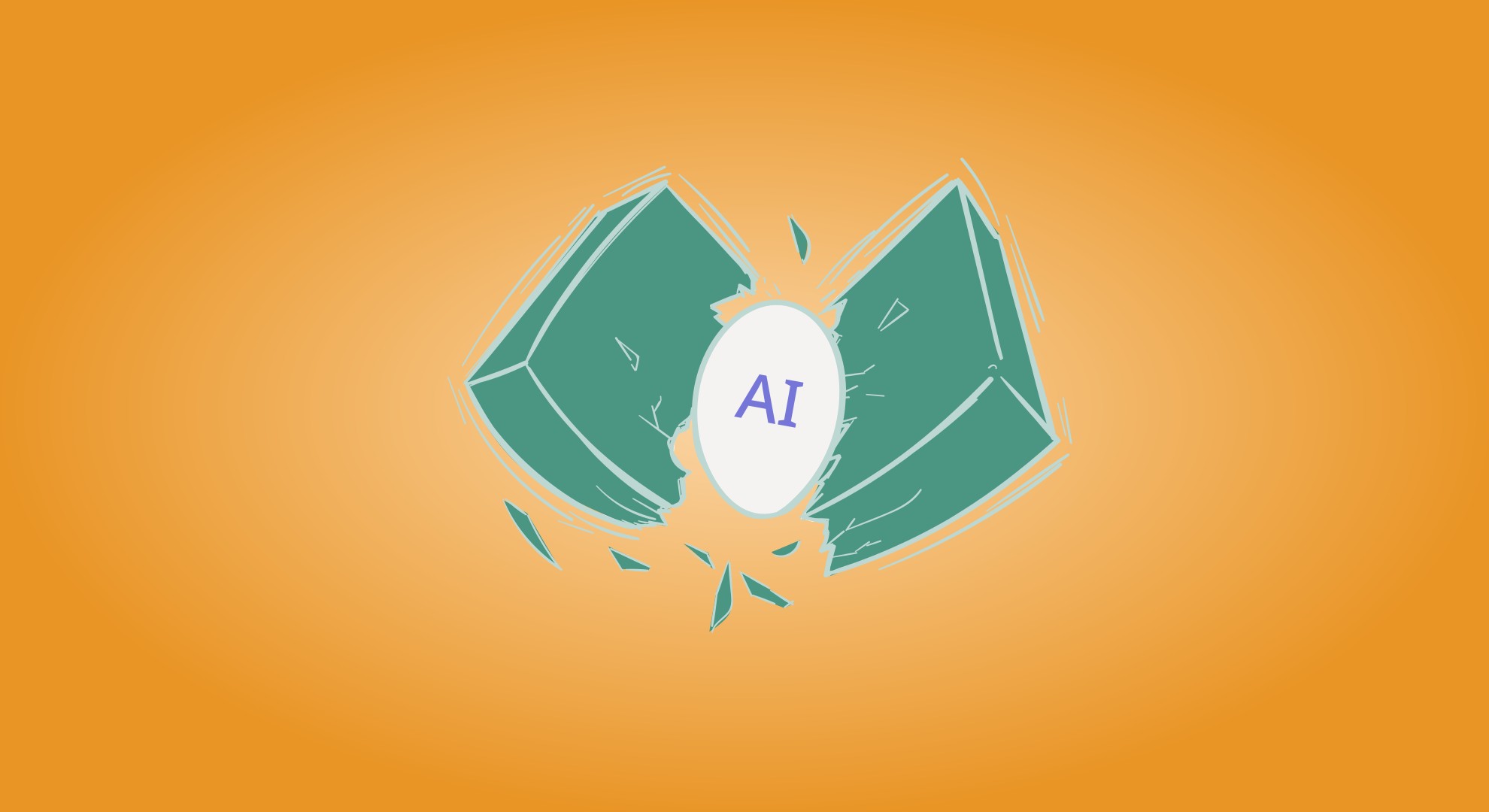
Why AI Is Breaking Traditional Vulnerability Management
AI-powered vulnerability discovery and exploitation are compressing remediation timelines from months to days—or even seconds. As vulnerability volumes surge and attack chains become easier to construct, traditional CVSS-based prioritization is no longer sufficient. Organizations must shift toward exploitability-driven exposure management, continuous risk evaluation, and automated remediation strategies.

Claude Mythos and the End of Traditional Vulnerability Management
AI-powered vulnerability discovery systems like Claude Mythos are forcing organizations to rethink decades-old vulnerability management practices. As discovery-to-exploit timelines shrink from months to days—or even seconds—security teams can no longer rely solely on CVSS scores, 30/60/90-day patch cycles, or traditional prioritization models. The future belongs to exploitability-driven exposure management.